Managing invasive species under capital project funding
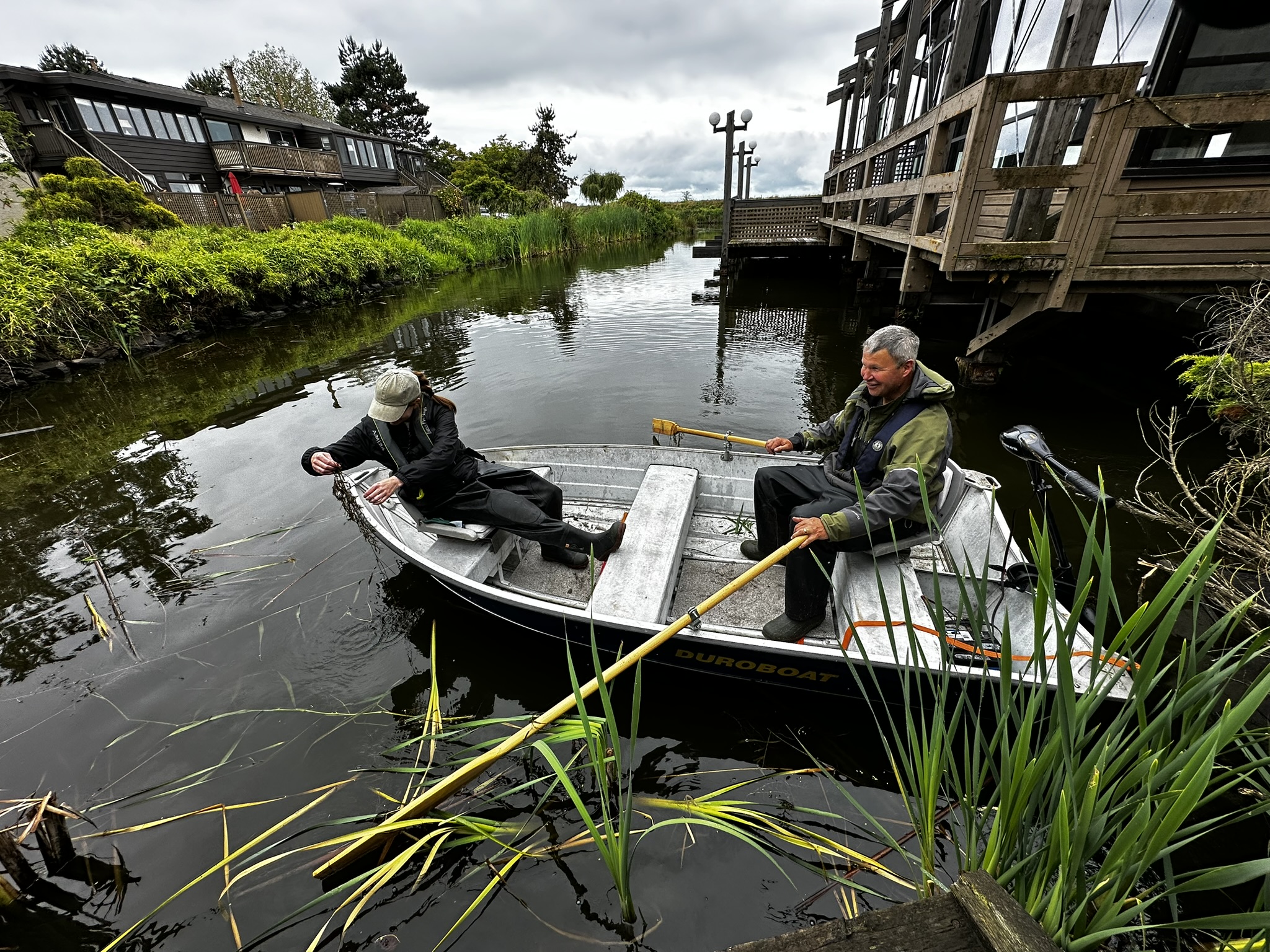
Invasive species pose risks to City assets including our open drainage network, diking network and building foundations. To address these risks, City Council dedicates annual capital funding for targeted treatment, monitoring and restoration initiatives. This program has successfully reduced the impact of invasive species in key areas. Staff across departments work with the Climate and Environment team to identify and manage invasive species effectively.
What we are protecting
What are invasive species?
Invasive species are plants and animals that have been introduced to an area through pathways including nurseries, seed mixes, improper disposal and the escape of cultivated agricultural species. Many of the invasive species we manage today were introduced decades ago, before policies or regulations were in place. Once established in a new environment, these species often lack natural ecological controls, allowing them to spread rapidly and disrupt local ecosystems. This can result in significant ecological, social and economic impacts. As a centrally located urban hub, Richmond is particularly vulnerable to the introduction and spread of invasive species through well-established, global trade routes.
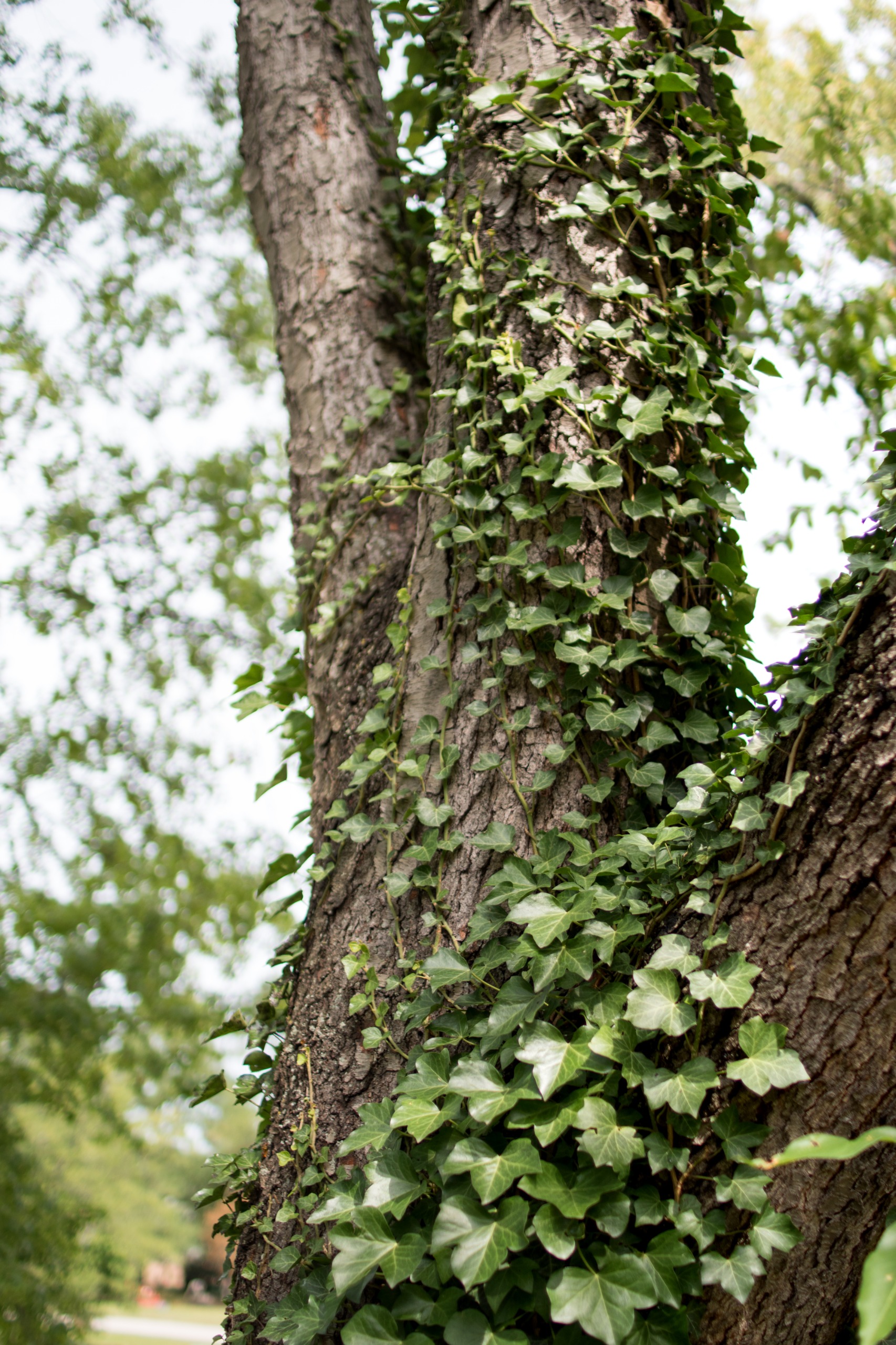
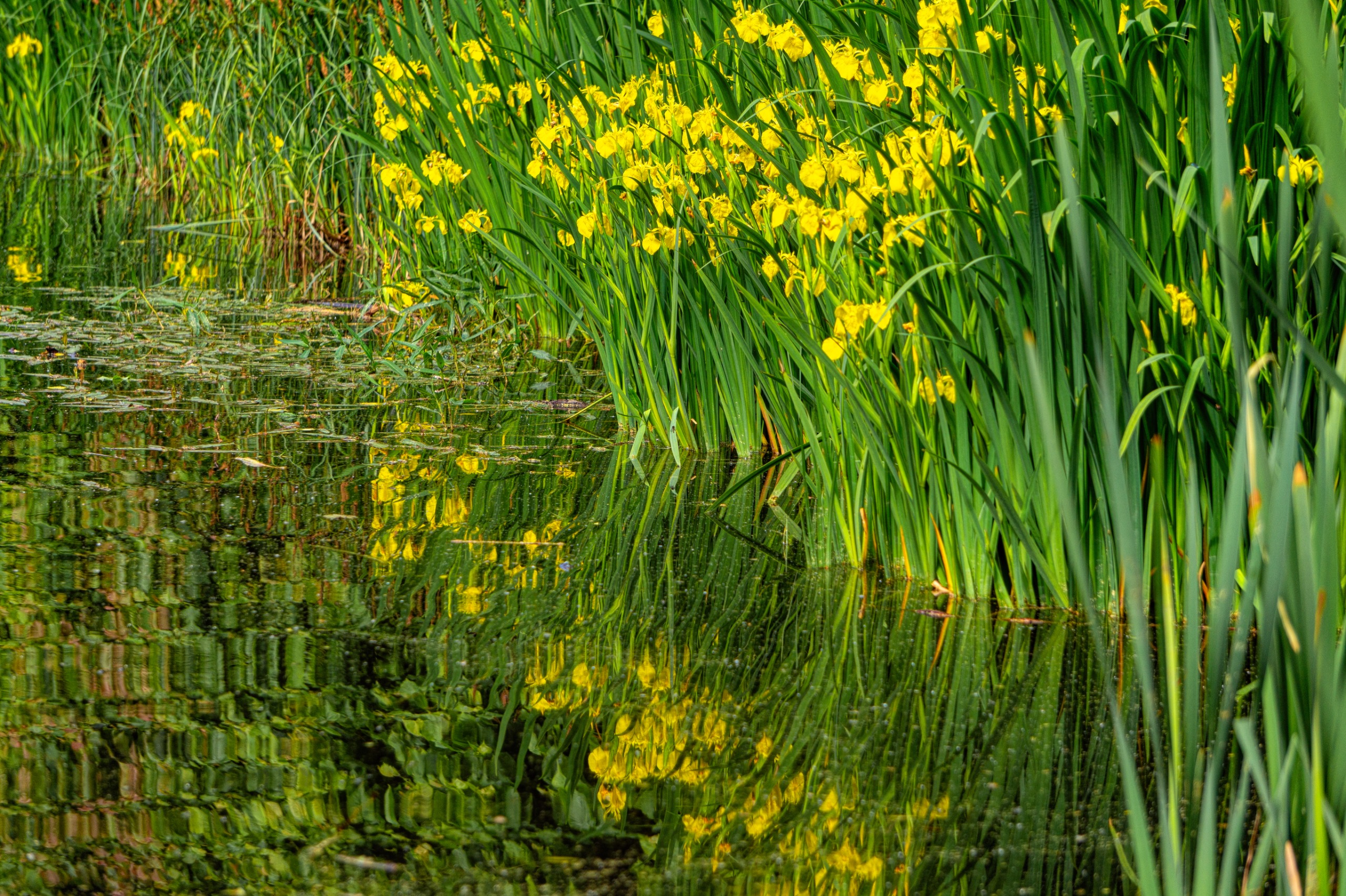
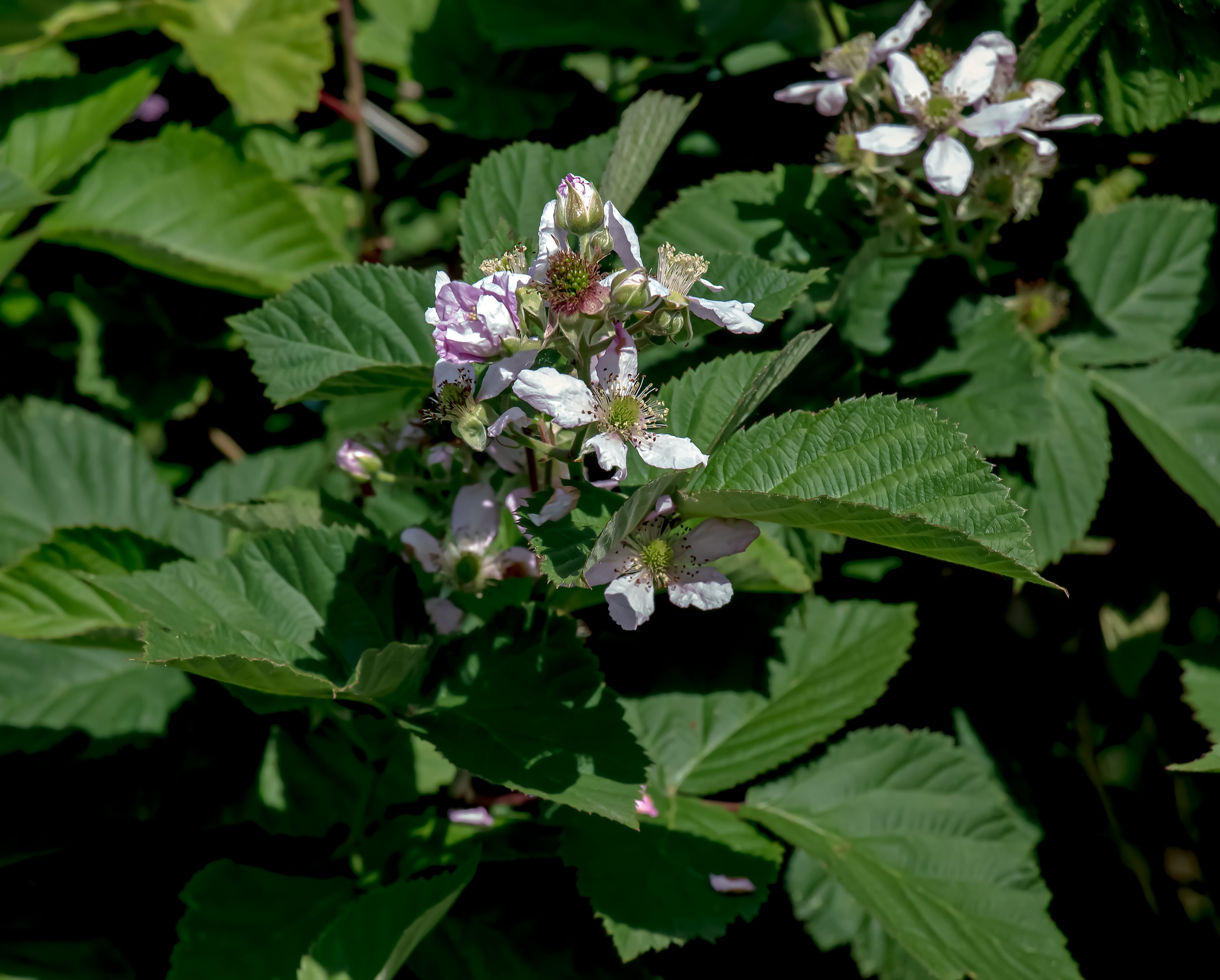
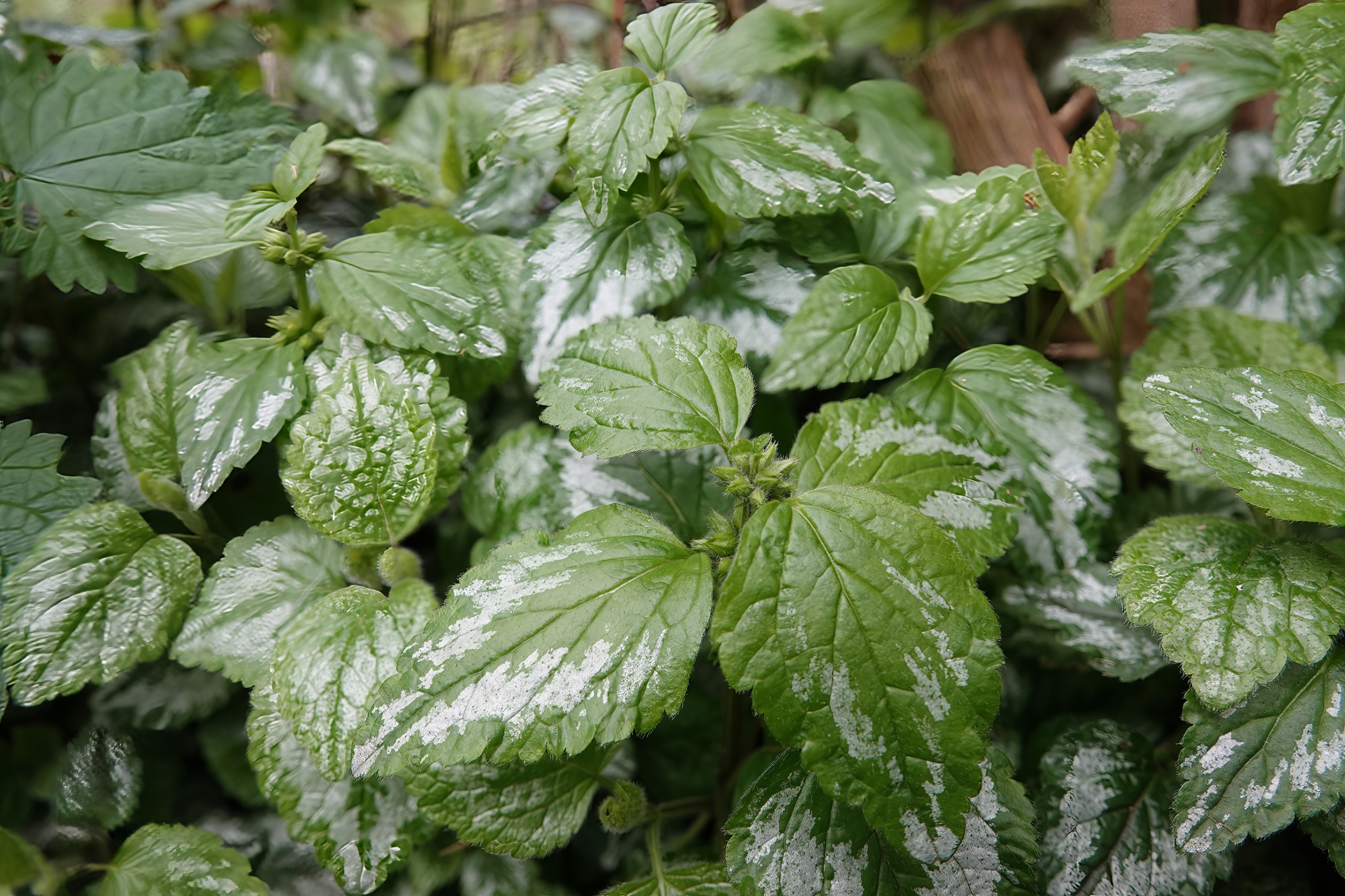
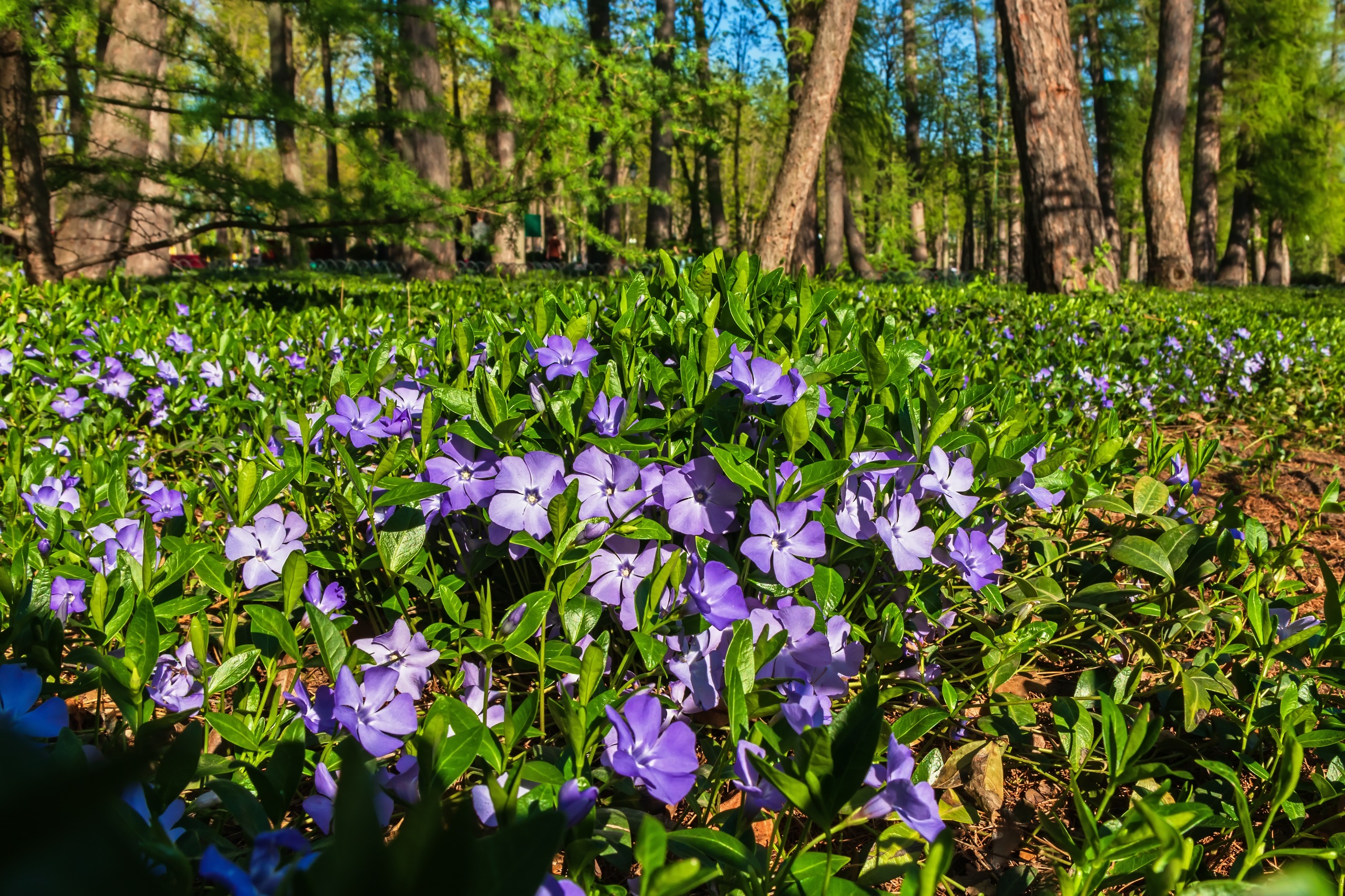
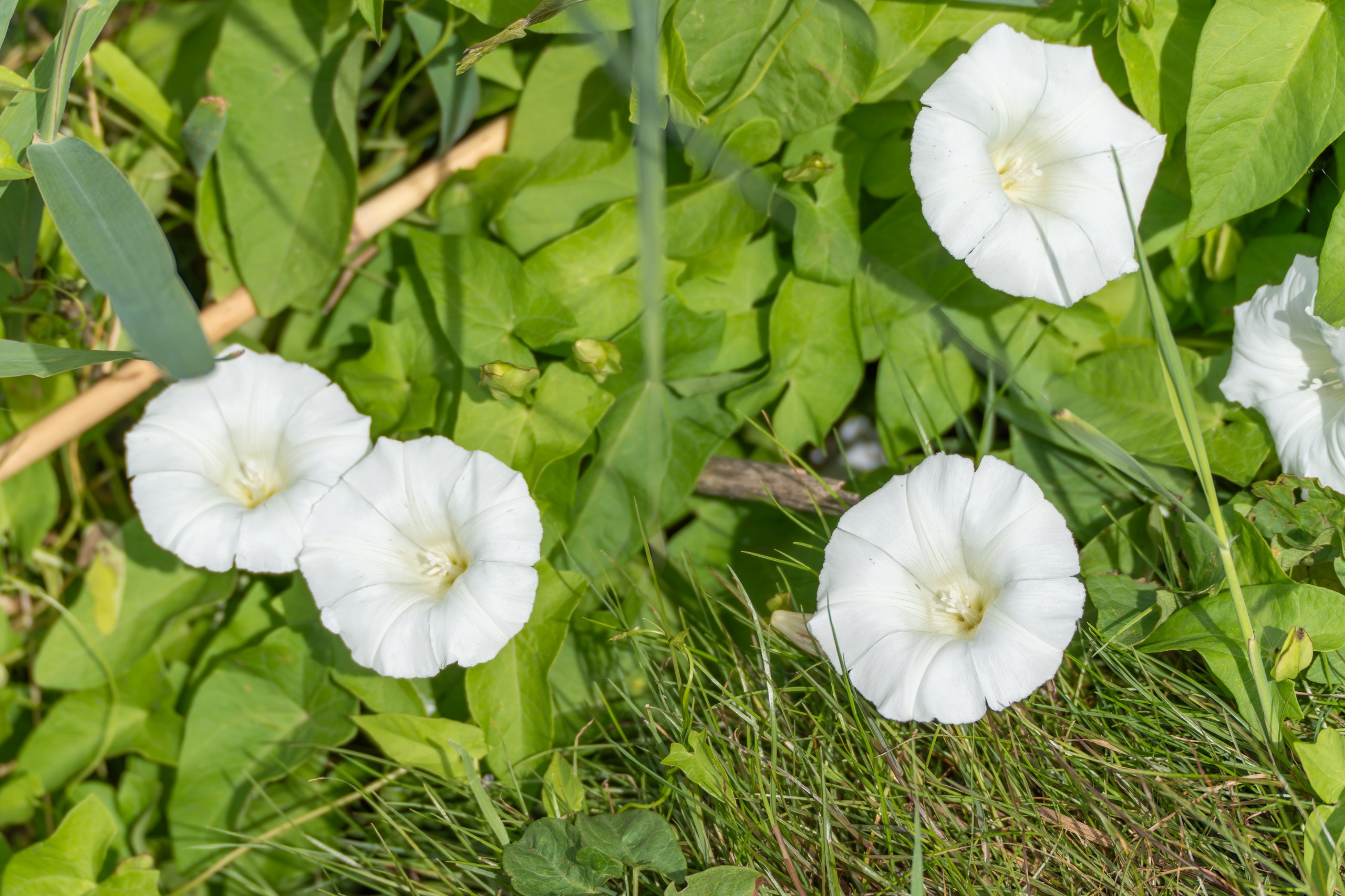
Priority invasive species
Image 1 of 16




What action is the City taking?
The City’s Invasive Species Action Plan provides a strategic approach to prioritize invasive species management in Richmond. This plan prioritizes species management areas based on integrated pest management principles and assesses the ecological, economic or social risk posed by each species.
Key actions include:
- Targeted and timely public outreach to raise awareness and encourage community involvement
- Risk-based prioritization of invasive species and locations to focus resources effectively
- Best management practices to guide treatment methods, which may include mechanical (e.g. removal), cultural (e.g. habitat modification) or chemical controls as needed
By following this approach, the City aims to reduce the spread of invasive species while supporting a healthier, more resilient environment.